Education · 23 May 2026 · 7 min read
EDTA vs DTPA Chelated Micronutrients — A Practical Guide
A chelate is a molecular cage that holds a micronutrient and stops the soil from locking it up. EDTA, DTPA and EDDHA are the three you will see on labels — and each works in a different pH window.
What is a chelate?
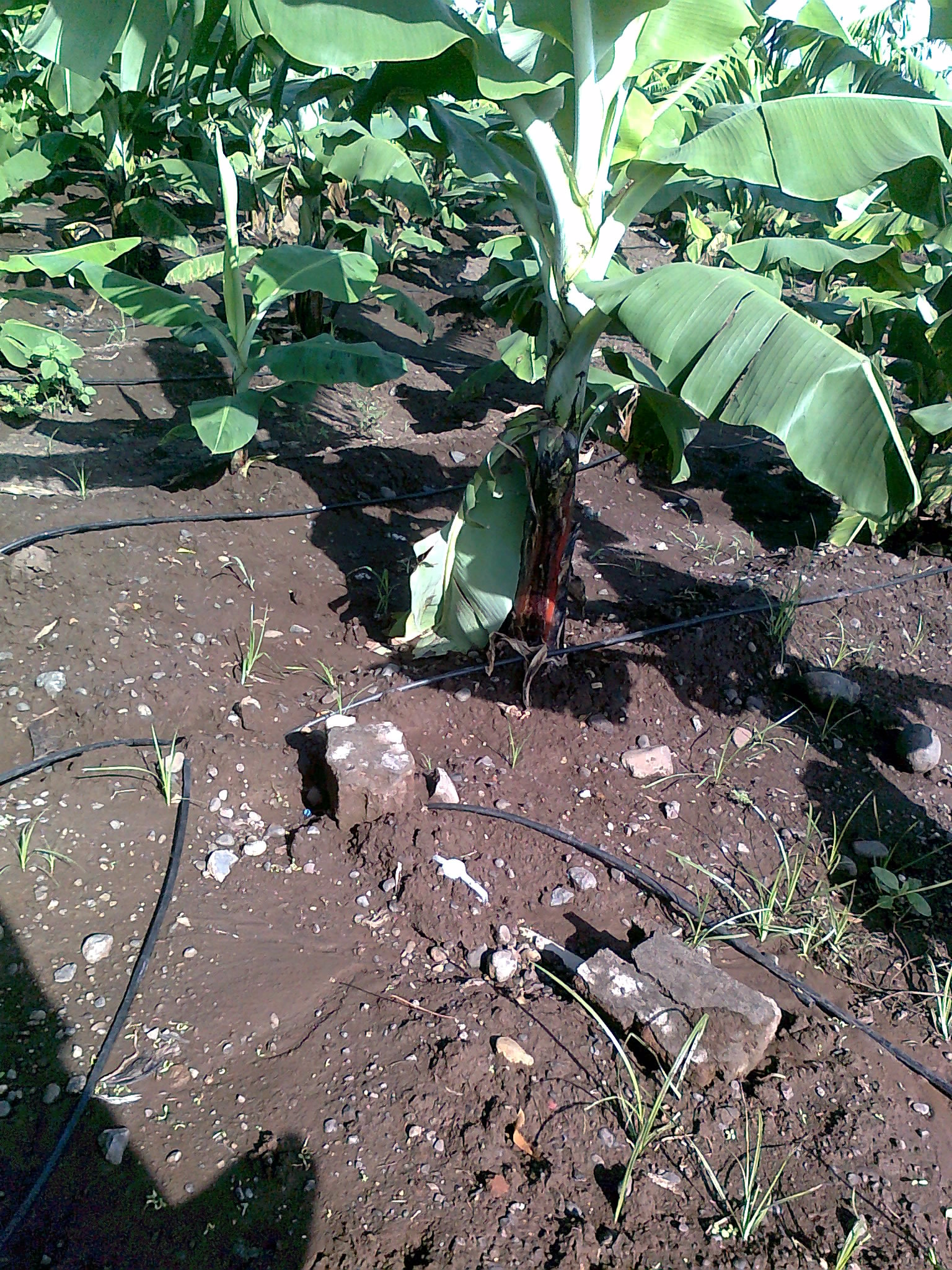
A chelate (from the Greek chele, "claw") is an organic molecule that wraps around a metal nutrient like zinc, iron or manganese. Inside this molecular cage, the nutrient stays in solution and remains available to the plant. Without the cage, those same metals would react with calcium, phosphate or hydroxide in the soil and become insoluble — visible to the plant root but chemically out of reach.
This is why a soil test can show "sufficient" zinc while the crop screams deficiency. The zinc is there — it is just locked up.
Why chelates beat sulphates
| Property | Zinc Sulphate (ZnSO₄) | Zinc EDTA (12%) |
|---|---|---|
| Zinc content | 21–33% | 12% |
| Soil fixation | High — 90% locked in days | Low — stays available for weeks |
| Foliar absorption | Slow, often scorches leaves | Fast, gentle on foliage |
| Effective dose | 20–25 kg/acre | 0.5–1 kg/acre |
| Cost per kg of available Zn | Higher in practice | Lower in practice |
The trick: sulphate forms look cheaper per kg of nutrient on paper, but most of it never reaches the plant. Chelated forms deliver almost everything the bag promises.
The three chelates you will see
EDTA — the workhorse
Ethylenediaminetetraacetic acid. Stable from pH 4 to pH 7.5. Cheapest of the chelates, used for zinc, manganese, copper and sometimes iron. Works for the vast majority of Indian soils — anything from acidic forest soils up to neutral alluvial plains.
Use EDTA when: Your soil pH is below 7.5 and you are correcting Zn, Mn, Cu or Fe deficiency in field crops or vegetables.
DTPA — for higher pH soils
Diethylenetriaminepentaacetic acid. Stays stable up to pH 8 — important in calcareous soils common across north Gujarat, Rajasthan and the Indo-Gangetic plains where free lime pushes pH above 7.5.
Use DTPA when: Your soil is calcareous, alkaline, or your water source is hard (high bicarbonate). DTPA-Fe is the standard for iron deficiency chlorosis in north India.
EDDHA — the heavy artillery for iron
Ethylenediamine-N,N′-bis(2-hydroxyphenylacetic acid). Stable up to pH 9. The only chelate that reliably keeps iron available in highly calcareous soils with pH above 8. Expensive — used only for chronic iron chlorosis in high-value crops (citrus, grape, pomegranate, ornamentals).
How to read the label
A genuine chelated micronutrient bag will state the chelate type and the chelated fraction:
- "Zinc as Zn-EDTA: 12% min" — the entire 12% is chelated
- "Fe-EDDHA: 6% (4.8% ortho-ortho)" — the ortho-ortho fraction is what matters for high pH soils
- "Manganese sulphate + chelating agent" — this is not chelated, just mixed. Avoid.
Foliar vs soil application
Chelated micros work both ways, but rules of thumb:
- Foliar: Fastest response (visible greening in 3–5 days). Dose: 0.5–1 g/L. Use early morning or evening, never under hot sun.
- Soil / fertigation: Longer-lasting (4–6 weeks). Dose: 0.5–2 kg/acre. Place near root zone; do not broadcast onto the surface.
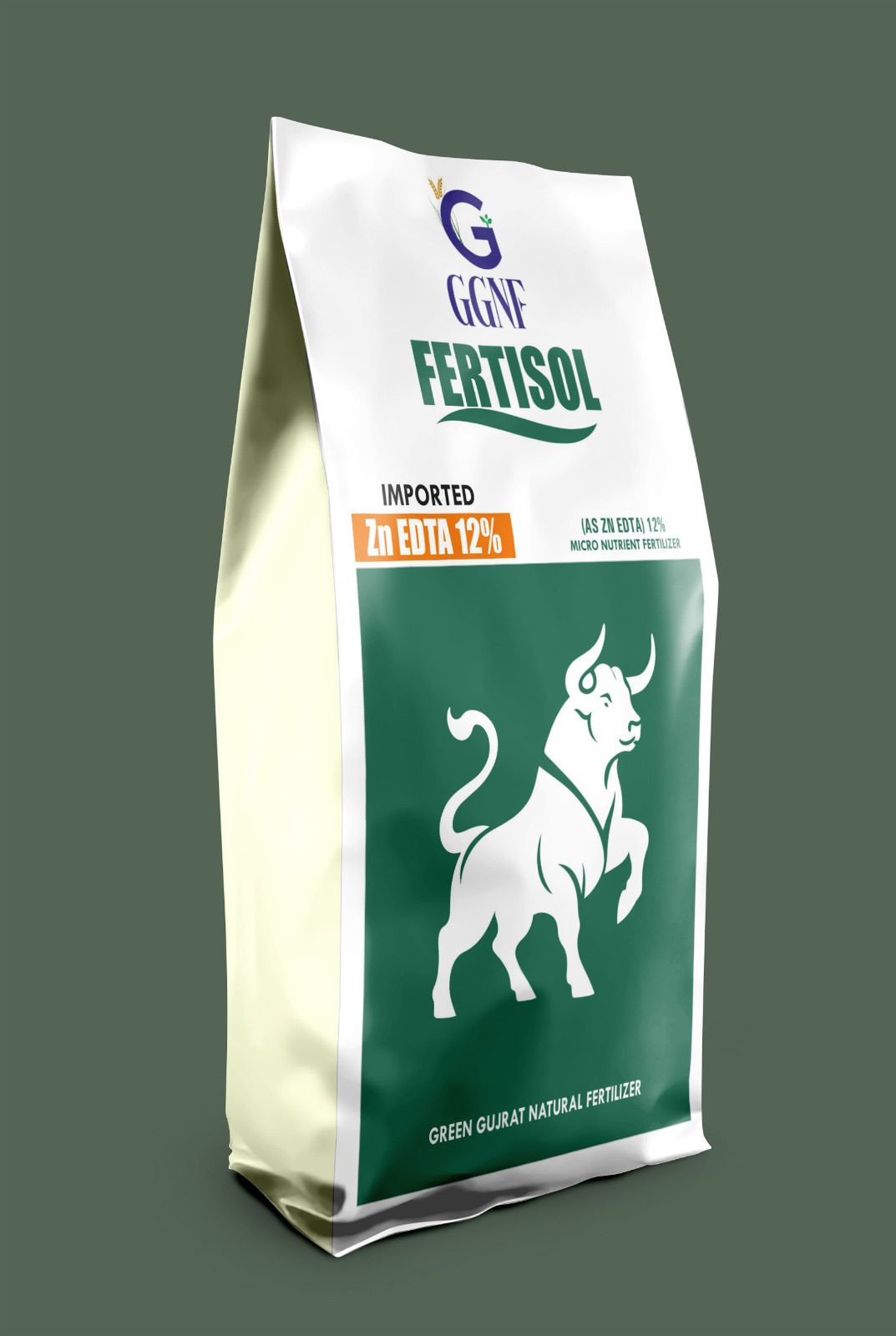
Our EDTA-chelated micronutrient line — formulated to international purity spec:
Common mistakes
- Mixing chelates with phosphates in the tank. Phosphate displaces the chelate and precipitates. Apply separately, at least 6 hours apart.
- Using EDTA-Fe on alkaline soil. The iron releases and re-precipitates within hours. Use DTPA or EDDHA instead.
- Spraying at midday. Stomata close, droplets evaporate, leaves scorch. Always early morning or after 4 pm.
- Over-applying. Micronutrients are needed in grams, not kilograms. Excess Zn or Mn becomes toxic and locks out iron.
Bottom line
For 80% of Indian farms, EDTA-chelated micronutrients are the right choice — cheaper, plenty stable, and dramatically better than sulphates. Reach for DTPA when your soil pH is above 7.5 or your irrigation water is hard. Save EDDHA for chronic iron chlorosis in high-value horticulture.