Fertisol · Chelated Micro-Nutrients
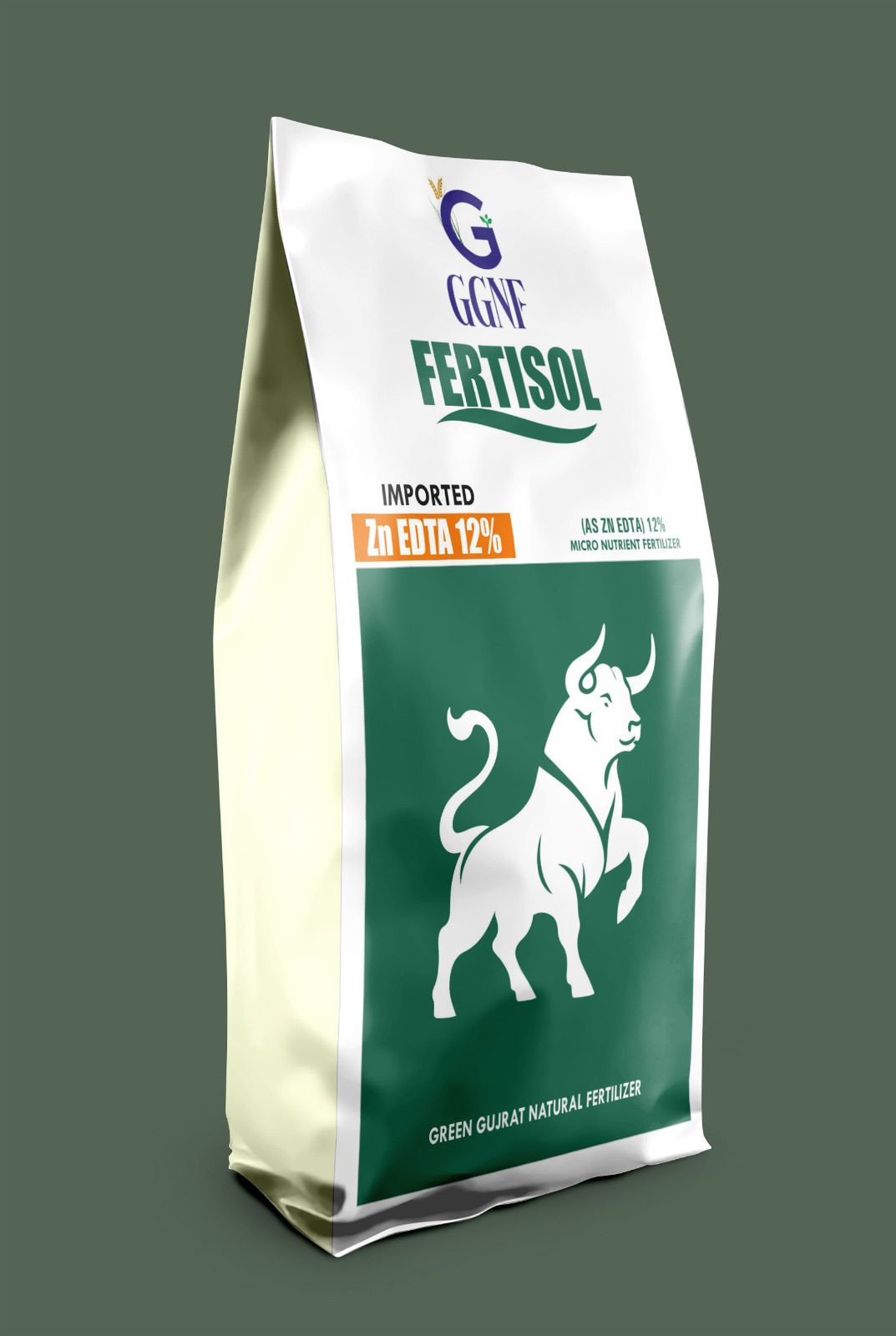
Fertisol Zinc EDTA 12%
Chelated Micro Nutrient Fertilizer
Zn (as EDTA) 12%Pack: 250 g / 500 g / 1 KgImported
Benefits
EDTA chelation keeps zinc available even in mildly alkaline soil. Essential for paddy, wheat, cotton, sugarcane and citrus.
Dose
0.5–1 g per litre foliar; 0.5–1 kg per acre fertigation.
Composition
| Zinc (as Zn-EDTA) | 12.0% min |
Recommended for
PaddySugarcaneMaizeMenthaCottonOilseedsWheatPulsesPeasOnionPotatoBrinjalBananaChilliTomatoVegetablesHorticulture Crops
Frequently asked questions
Practical answers from our technical team on application, compatibility and field use of Fertisol Zinc EDTA 12%.
- What is the difference between zinc sulphate and zinc EDTA?
- Zinc sulphate (ZnSO₄) contains 21–33% zinc but most of it gets locked up in the soil within days. Zinc EDTA contains 12% zinc, but the EDTA molecule protects it — making nearly all of it available to the plant. In practice, 1 kg of Zn-EDTA delivers as much usable zinc as 20+ kg of zinc sulphate.
- What is the foliar dose?
- 0.5 to 1 g per litre of water (50–100 g per spray pump). Always early morning or after 4 PM. Visible greening typically appears within 3–5 days.
- Which crops respond most to zinc?
- Wheat, paddy, maize, cotton, sugarcane, citrus, grape and most vegetables are highly zinc-responsive. Pulses (gram, pigeonpea, soybean) also show strong yield response. Recently leveled fields and calcareous soils are especially deficient.
- Can it be applied to soil?
- Yes — soil dose is 0.5 to 1 kg per acre, applied through fertigation or banded near the root zone. Soil application gives 6–8 weeks of zinc supply.
- Will it work on alkaline soil?
- EDTA is stable up to pH 7.5. For more alkaline soils (pH above 7.5–8.0), DTPA-chelated zinc is more appropriate. Test your soil pH first.