Education · 23 May 2026 · 8 min read
Water-Soluble vs Granular NPK Fertilizers — Which Should You Use?
Granular NPK feeds the soil slowly. Water-soluble NPK feeds the plant directly. Both have a place — the trick is knowing which one to reach for at each stage of the crop.
The short answer
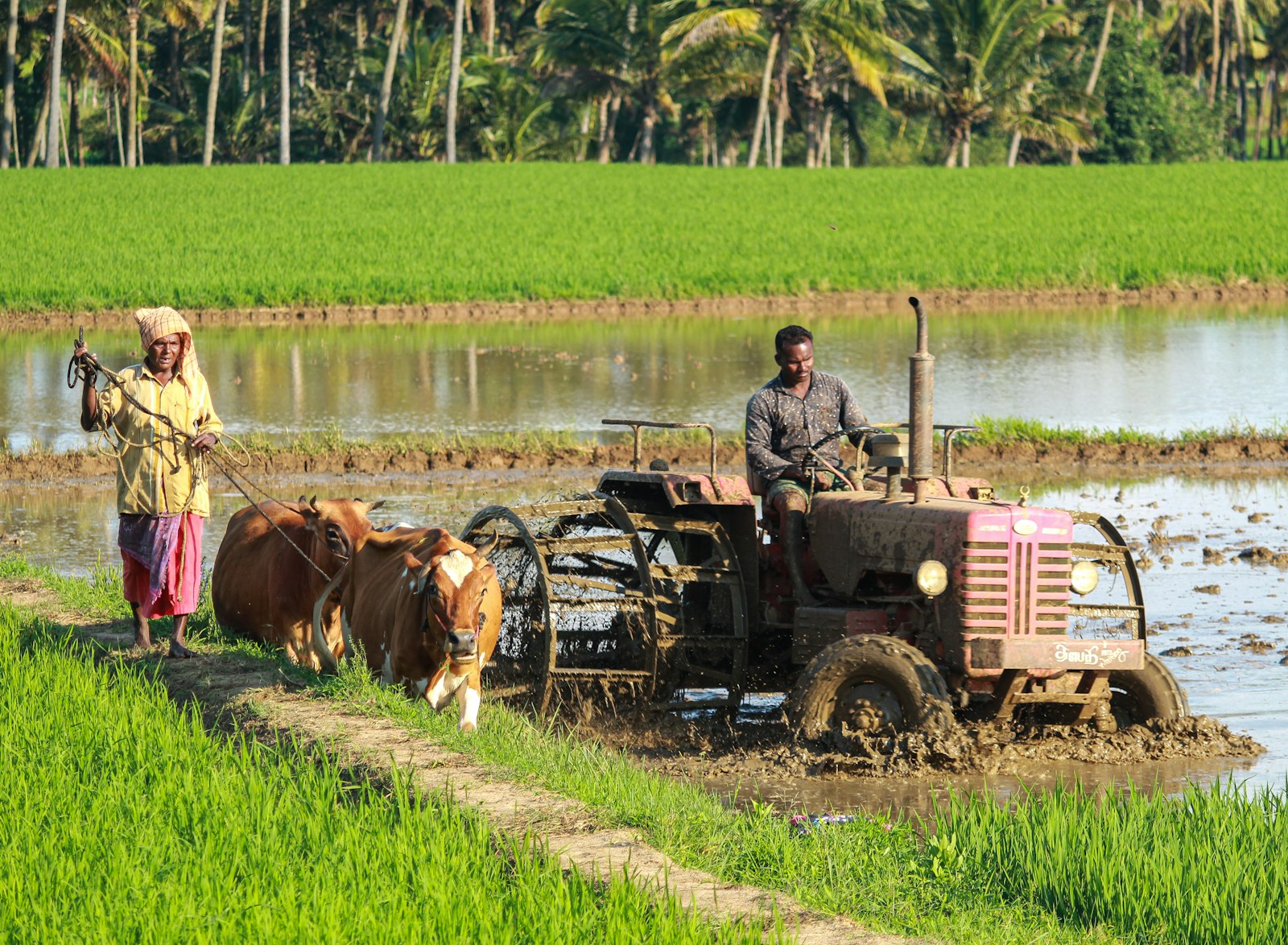
Use granular NPK as the base dose at sowing or transplanting — it releases nutrients over weeks and builds the soil fertility pool. Use water-soluble NPK through drip (fertigation) or as a foliar spray when the crop is actively growing and needs nutrients now — flowering, fruit set, grain fill, stress recovery.
They are not competitors. On a well-run farm they work in sequence: granular for the foundation, water-soluble for the push.
What "water-soluble" actually means
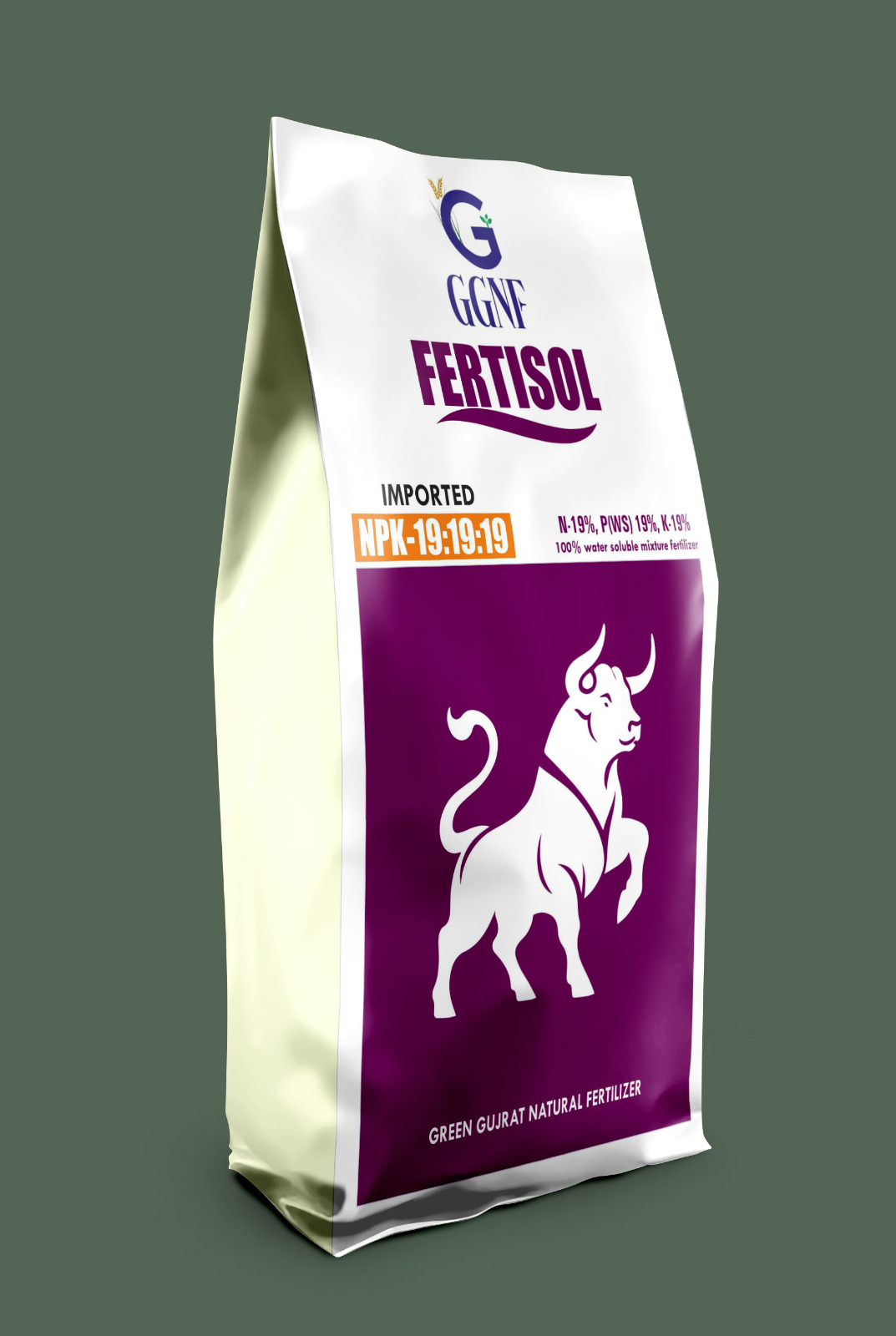
A fertilizer is called water-soluble when 100% of the nutrient dissolves in irrigation water and leaves no residue in the tank or the drip emitter. The international benchmark is <0.5% insoluble matter. Premium imported grades like Fertisol NPK 19:19:19 are engineered to that spec — which is why they can be run through drip lines without clogging.
Most domestic "NPK mixture" fertilizers in 50 kg bags are partially soluble at best. They are formulated for broadcast application onto soil, not for fertigation.
Side-by-side comparison
| Property | Granular NPK | Water-Soluble NPK |
|---|---|---|
| Solubility | Partial or slow-release | 100% — clear solution |
| Application | Broadcast, banding, side-dress | Drip fertigation, foliar spray |
| Nutrient release | Days to weeks | Available within hours |
| Wastage | Higher (leaching, volatilization) | Lower (placed at root zone) |
| Cost per kg of nutrient | Lower | Higher (2–4×) |
| Best for | Base dose, large field crops | High-value crops, critical growth stages |
| Storage | Tolerates humidity if bagged | Must stay dry — clumps easily |
When to choose granular NPK
- Pre-sowing or at-planting base dose for paddy, wheat, sugarcane, cotton
- Large rain-fed plots with no irrigation infrastructure
- When you need to build long-term soil P and K reserves
- When budget per acre is the dominant constraint
When water-soluble NPK is the right choice
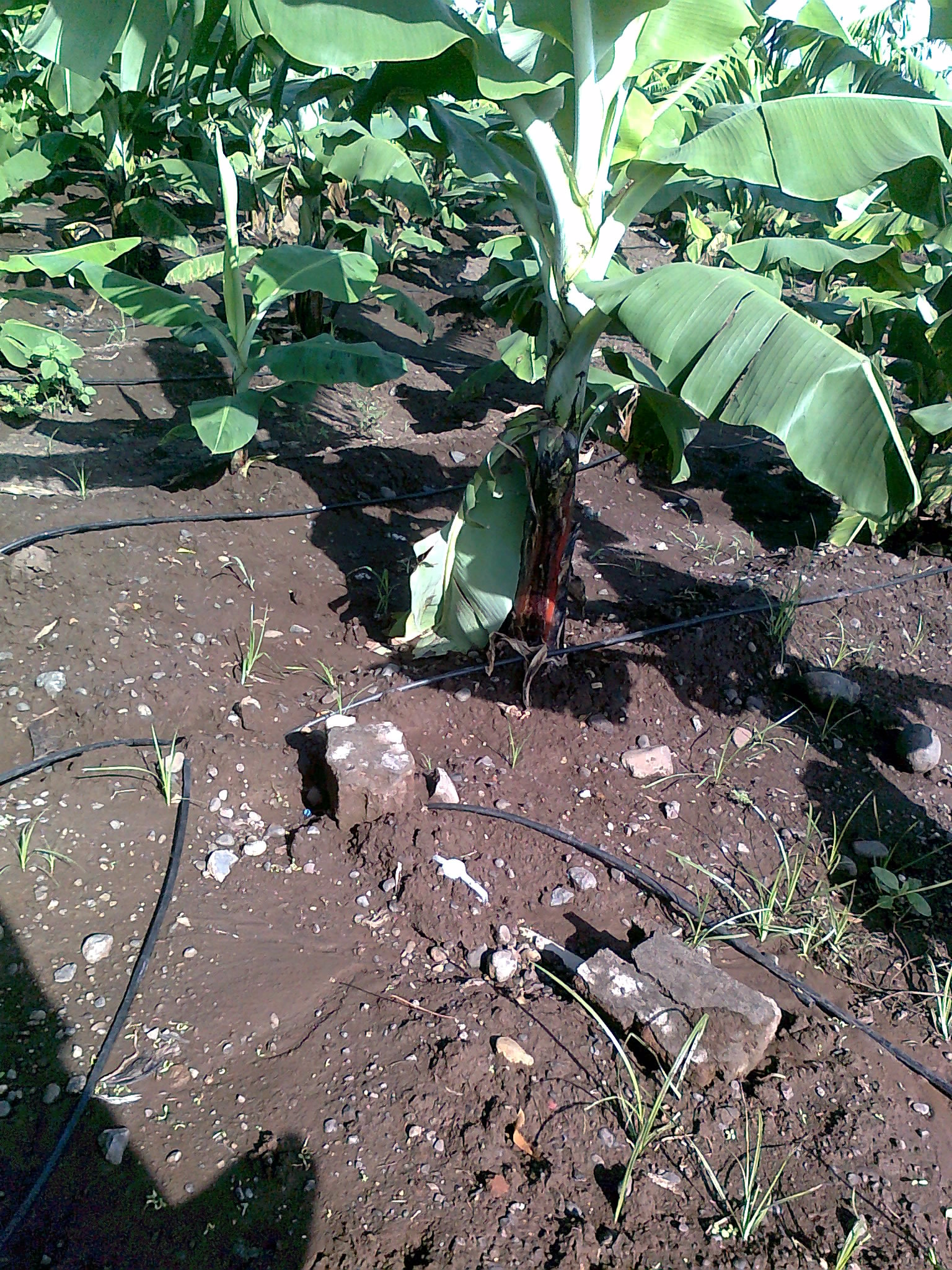
- Drip-irrigated horticulture: tomato, capsicum, banana, grape, pomegranate
- Polyhouse and greenhouse production
- Flowering and fruit-set stage where deficiency symptoms appear within days
- Recovery from heat, cold or water stress — leaves absorb foliar nutrients in 2–6 hours
- Sandy soils where leaching of granular fertilizer is severe
Reading the NPK ratio
The three numbers on every NPK bag are Nitrogen : Phosphate (P₂O₅) : Potash (K₂O) as a percentage of total weight. Match the ratio to the crop stage:
| Grade | What it does | Best stage |
|---|---|---|
| 13:40:13 | High phosphorus — drives root growth | Early vegetative, transplanting |
| 19:19:19 | Balanced — universal vegetative push | Mid-vegetative, general nutrition |
| 20:20:20 | Balanced, slightly higher concentration | Nursery, polyhouse, foliar |
| 13:00:45 | High potassium — fruit / grain filling | Flowering to harvest |
| 00:52:34 | Phosphorus + potassium, no nitrogen | Pre-flowering, when N is excess |
These are the imported water-soluble NPK grades we stock — each is 100% soluble, chloride-controlled, and packed to international spec.



Practical schedule for a vegetable crop
- Pre-sowing: full granular base dose per soil-test recommendation
- Transplant + 7 days: drench with 5 g/L of 13:40:13 for root establishment
- Vegetative stage (15–35 days): weekly fertigation of 19:19:19 at 3–5 kg/acre
- Pre-flowering: switch to 00:52:34 for one week to harden growth
- Flowering and fruit set: 13:00:45 weekly until harvest
- Stress events: foliar 19:19:19 at 5 g/L within 24 hours
The bottom line
Granular NPK is the staple. Water-soluble NPK is the precision tool. For any crop where yield or quality justifies the extra cost — vegetables, fruits, polyhouse, drip-irrigated cereals — water-soluble pays back many times its premium. For broadacre rain-fed grains, stick to granular at the base and reserve water-soluble for stress recovery.
If you are setting up fertigation for the first time, start with 19:19:19 as your workhorse and add specialty grades as the crop demands them.