
Wheat · Rabi (November–April) · 120–145 days
Wheat Fertilizer Schedule — Field Nutrition Plan for North & Central India
Wheat is forgiving until grain fill — then a single missed potassium top-dress can cost 4–6 quintals per acre. Get the splits right and the rest of the schedule almost runs itself.
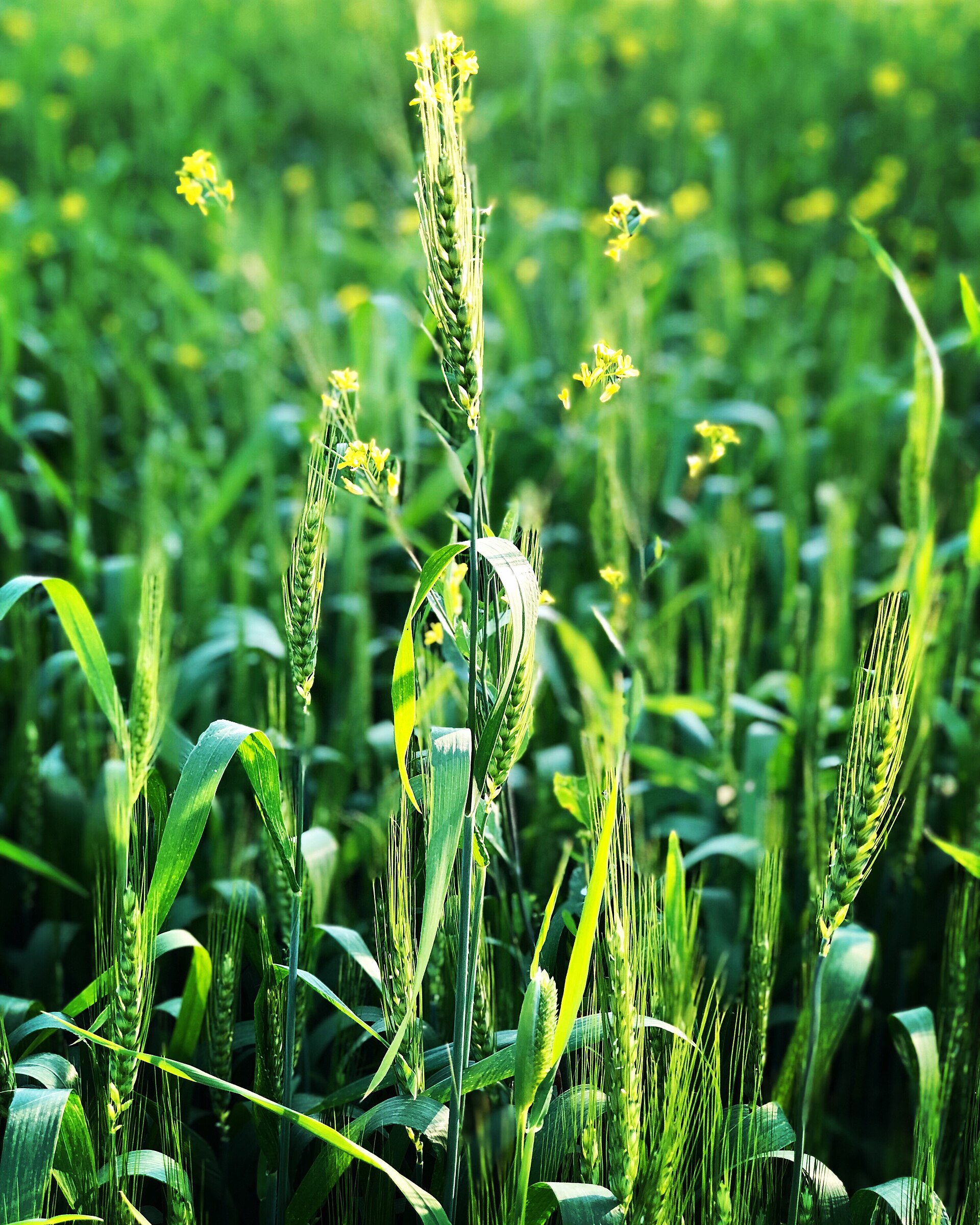
Yield-defining stages
| Stage | Days | What is happening | Priority |
|---|---|---|---|
| CRI (crown root initiation) | 20–25 | Tiller buds set | N, P, water |
| Tillering | 25–55 | Multiple shoots per plant | N, K, S |
| Jointing / booting | 55–80 | Stem elongation, panicle inside | N, K, Mg |
| Heading / flowering | 80–95 | Grain number set | B, K — sensitive window |
| Grain filling | 95–125 | Starch deposition, weight gain | K, S, foliar urea |
Standard recommended dose per acre (irrigated wheat)
At sowing (basal)
- FYM: 4 tonnes (incorporated 2–3 weeks before sowing)
- DAP: 65 kg (P + 12 kg N)
- MOP: 25 kg (early K)
- Single super phosphate: 50 kg (additional S and Ca)
- Zinc sulphate: 10 kg or Zn-EDTA: 0.5 kg
- Urea: 35 kg as starter N
First top-dress — at CRI / first irrigation (20–25 days)
- Urea: 50 kg, broadcast just before irrigation
- If late-sown: add 15 kg urea (compensates for shorter tillering window)
Second top-dress — late tillering / second irrigation (45–55 days)
- Urea: 50 kg
- MOP: 25 kg (especially on sandy or light-textured soils)
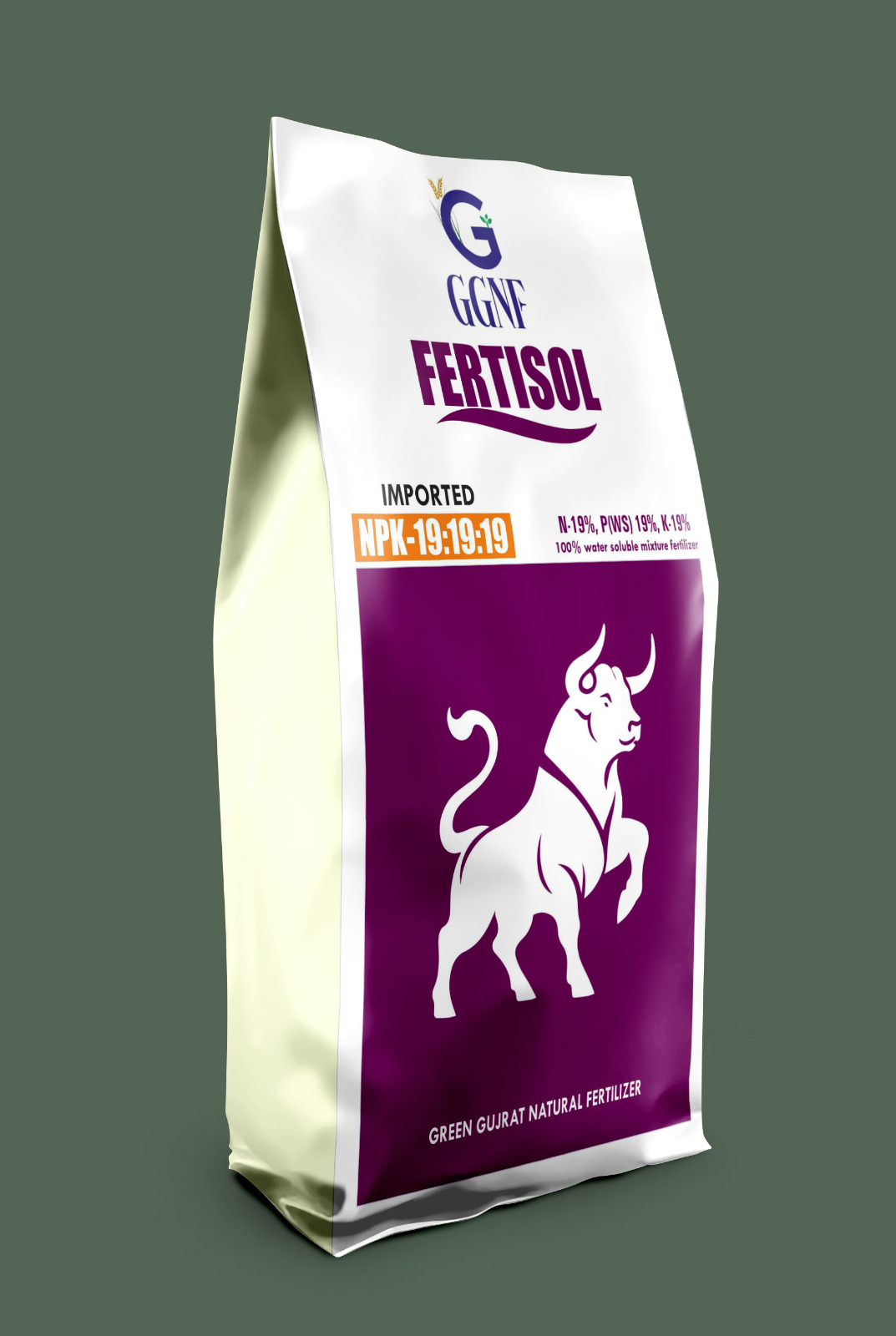
- Foliar 19:19:19 at 5 g/L if tillering looks weak
Booting to heading (65–85 days) — quiet but important
- Foliar 19:19:19 at 5 g/L at booting (70 days)
- Foliar boron (Solubor) at 0.5 g/L — improves grain set, especially in late-sown crops
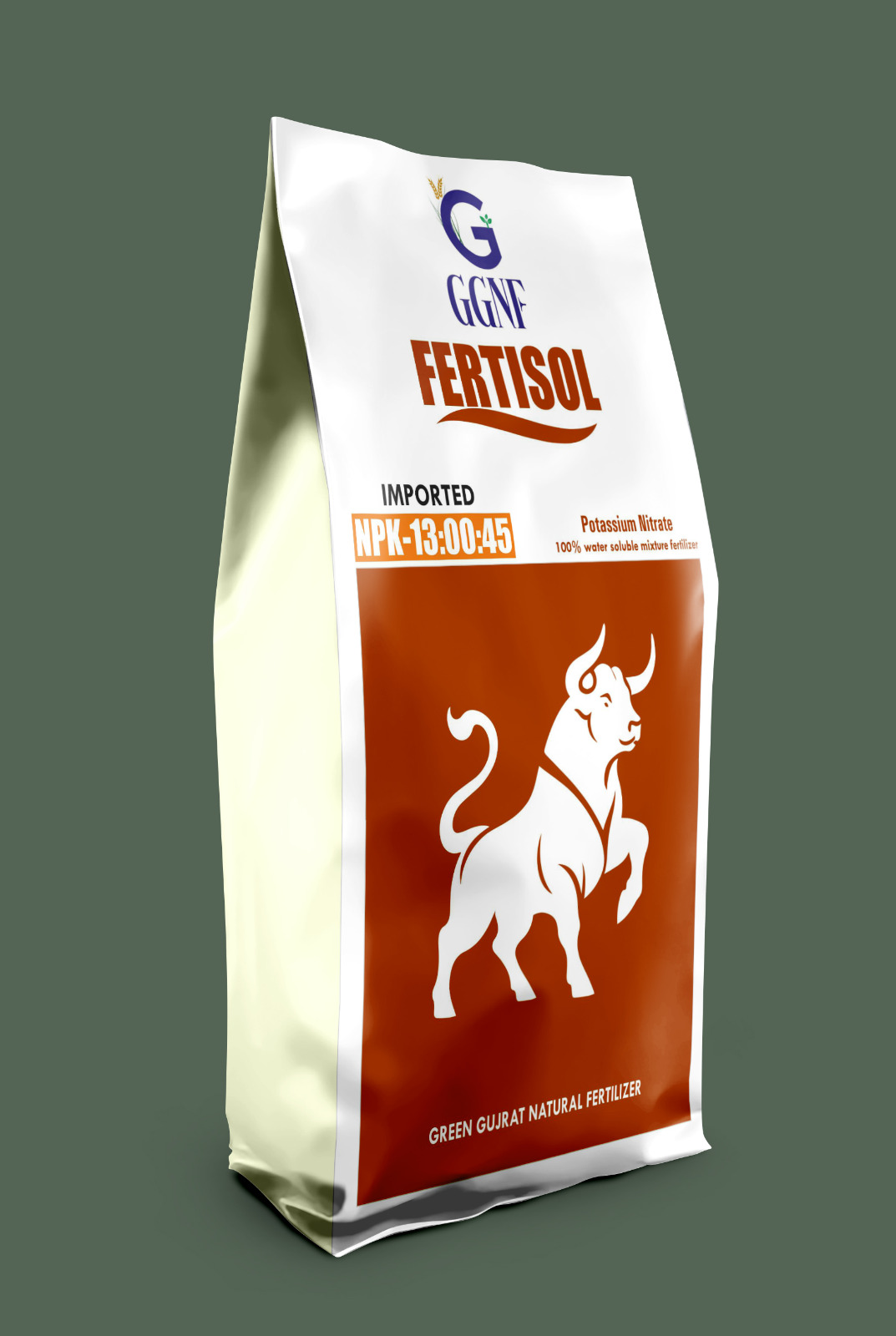
- Foliar potassium nitrate (13:00:45) at 5 g/L — early start to grain-fill nutrition
Grain filling (95–125 days) — the silent yield maker
- Foliar urea at 2% (20 g/L) at milking stage — directly boosts protein content
- Foliar 13:00:45 at 5 g/L at 100 and 115 days — grain weight depends on K supply now
- Foliar magnesium sulphate at 1% if older leaves show inter-veinal yellowing
Sulphur — the most underestimated nutrient
Sulphur is the fourth major nutrient for wheat — needed at roughly 25% of N. Modern high-purity urea and MOP contribute almost no S. SSP, ammonium sulphate, gypsum and phosphogypsum are the practical sources.
A sulphur-deficient wheat crop looks "almost fine" — slightly pale, slightly thinner straw — but the yield gap can hit 15–20%. If you have ever applied perfect NPK and still got disappointing yield, sulphur is the first thing to check.
Zinc — apply once every 3 years
Wheat is highly responsive to zinc, especially on calcareous and recently leveled soils. A single 10 kg ZnSO₄ application at sowing protects the crop for 2–3 seasons. Symptoms (white streaks, stunted plants) appear at tillering — by then it is too late for soil application; use foliar Zn-EDTA at 0.5 g/L.
Field deficiency cues
| Symptom | Likely cause | Action |
|---|---|---|
| Yellow older leaves, slow tillering | Nitrogen | Urea top-dress before irrigation |
| Purpling on stems and leaf bases | Phosphorus | Foliar 13:40:13 |
| Yellow margins, scorched tips, weak straw | Potassium | MOP + foliar 13:00:45 |
| Pale crop overall, no other symptom | Sulphur | SSP top-dress + foliar AS |
| White streaks on middle leaves, stunting | Zinc | Zn-EDTA 0.5 g/L foliar |
| Hollow stem, distorted ear | Boron | Solubor 0.5 g/L at booting |
Water-soluble grades for the foliar and irrigation programme:

Bottom line
A good wheat schedule is 70% about timing and 30% about quantity. Get the splits right (basal + 2 top-dresses for normal sowing, 3 for late sowing), include sulphur in the base, do not skip zinc, and run a foliar 13:00:45 programme during grain filling. That is the recipe for 22+ quintals per acre on most North Indian soils.