
Sugarcane · Adsali / Suru / Pre-seasonal · 10–12 months
Sugarcane Fertilizer Schedule — Complete Nutrition Plan
A 10–12 month crop with extreme nutrient demand. Get the schedule right and a single ratoon can match a planted crop in yield.
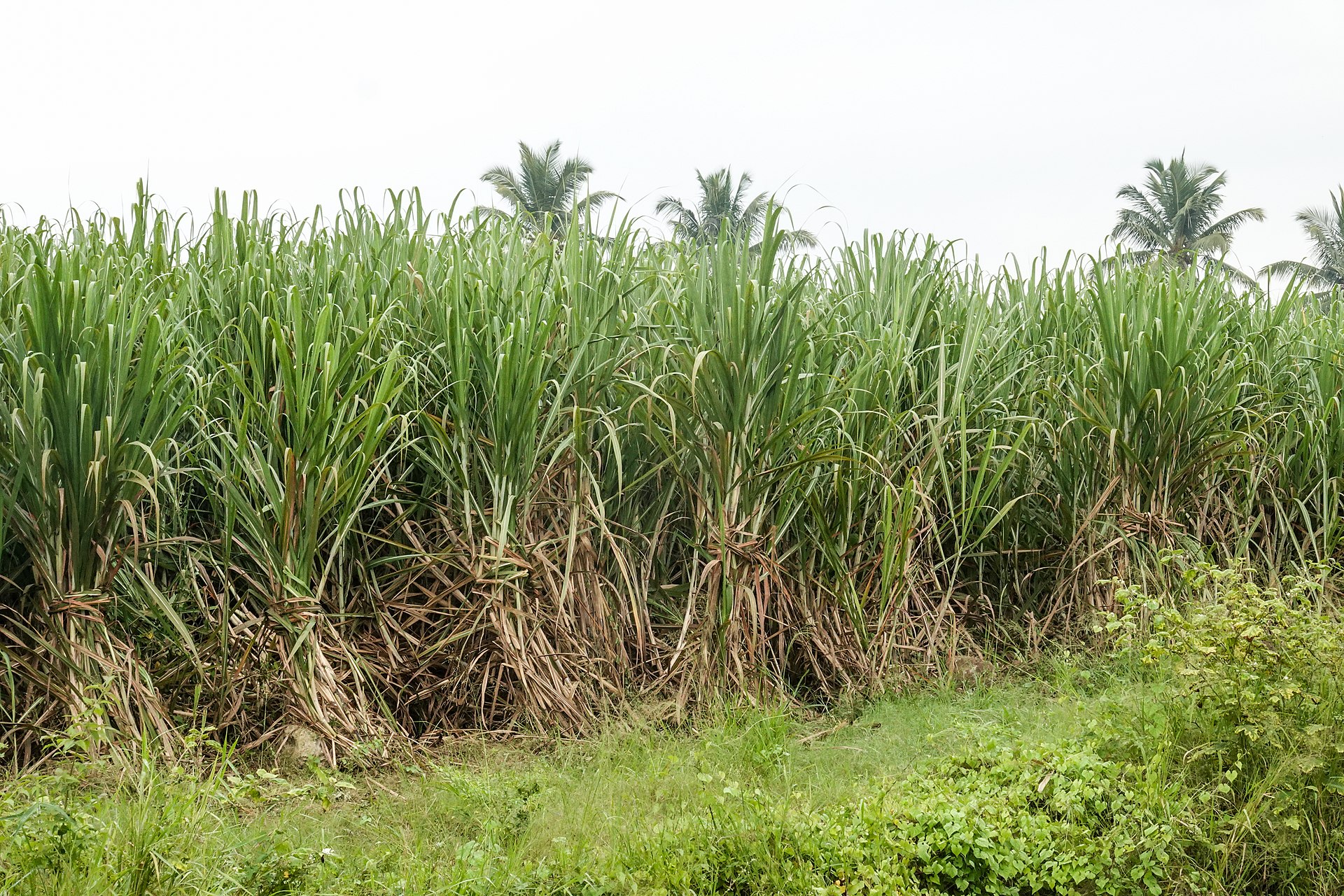
Why sugarcane is a nutrient-hungry crop
A 100-tonne-per-acre sugarcane crop removes roughly 250 kg N, 100 kg P₂O₅, 350 kg K₂O plus 80 kg S and significant calcium and silicon from the soil. The cane plant accumulates biomass continuously across 10–12 months, with peak nutrient uptake during the grand growth phase (3–7 months after planting).
Most yield gaps in Indian sugarcane come from under-fertilization during this peak phase — farmers apply the base dose generously but go quiet during the months when the crop actually needs the nutrients.
The four growth stages
| Stage | Days | What is happening | Nutrient priority |
|---|---|---|---|
| Germination | 0–35 days | Bud sprout, primary root | P, micronutrients |
| Tillering | 35–100 days | Multiple shoots per stool | N, K, Zn, S |
| Grand growth | 100–270 days | Stalk elongation, cane formation | N, K, Mg, S — heaviest demand |
| Maturity | 270–360 days | Sucrose accumulation | K, Ca, B — taper N |
Recommended schedule per acre
Base dose (at planting, before sett placement)
- Farmyard manure: 4–6 tonnes — apply 15 days before planting
- Granular DAP: 100 kg (supplies P + starter N)
- Single super phosphate: 150 kg (additional P + 12 kg S)
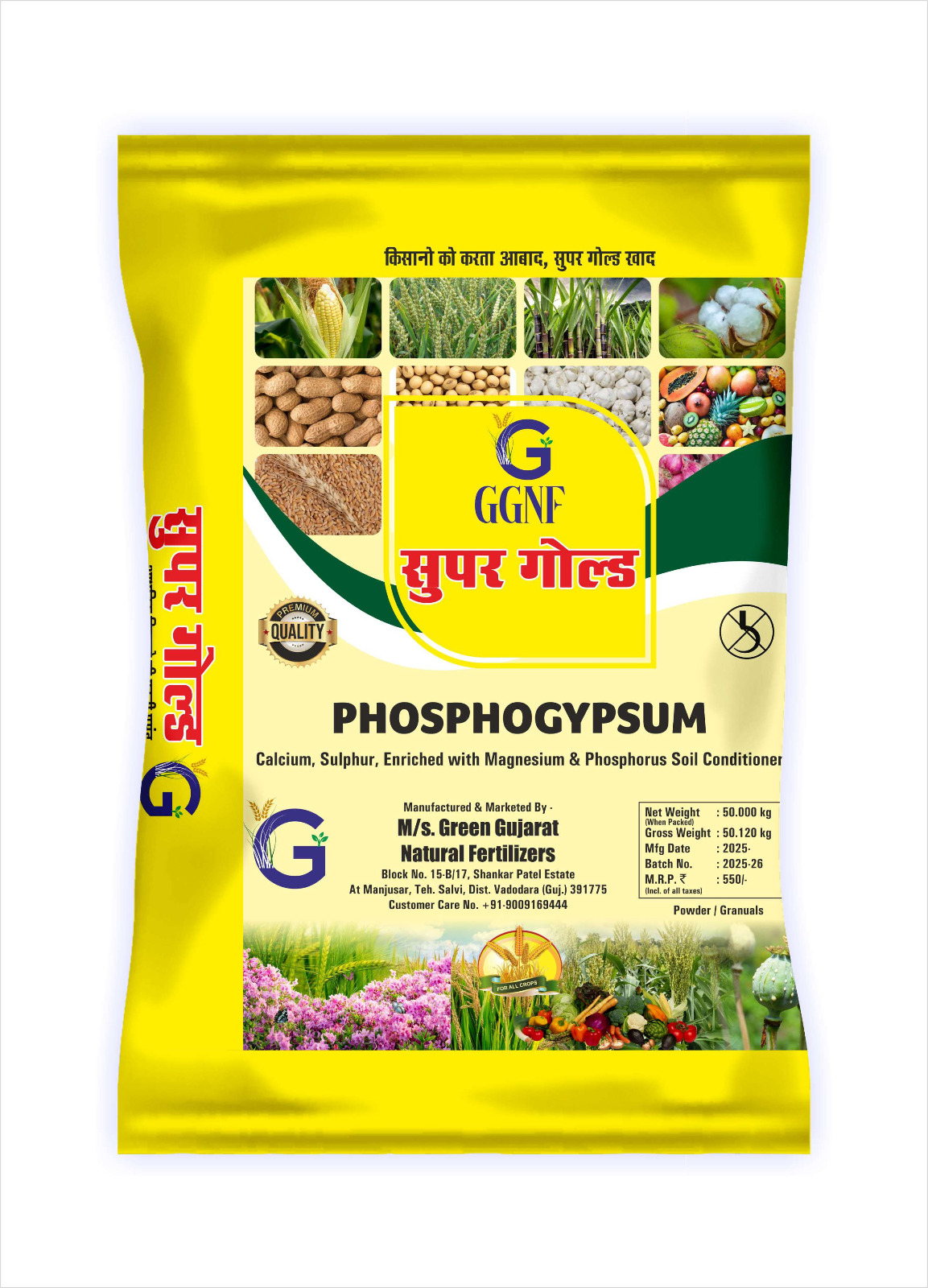
- Phosphogypsum: 400 kg (calcium + sulphur, especially for sodic patches)
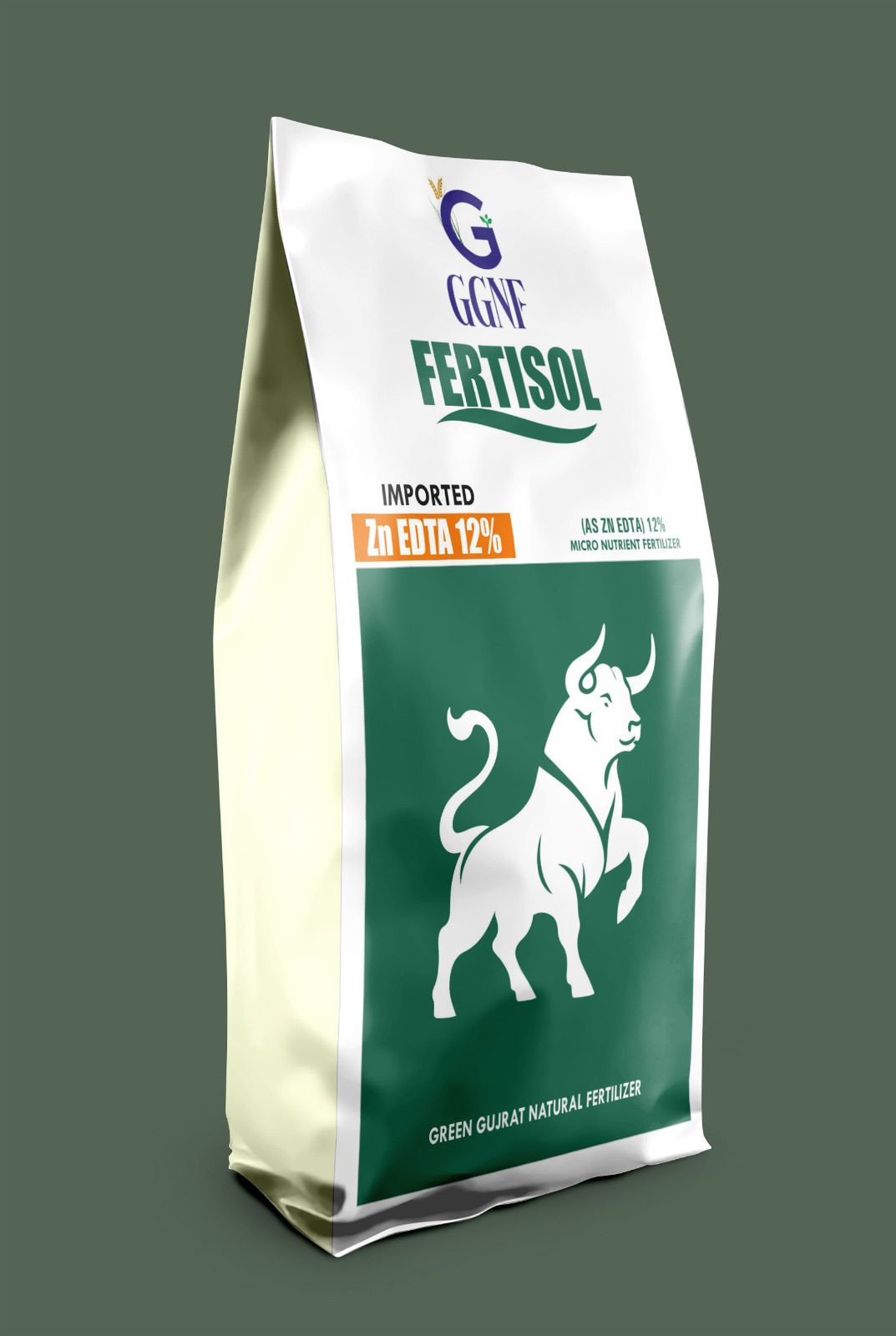
- Zinc sulphate: 25 kg, or Zn-EDTA: 1 kg (one-time correction every 3 years)
Tillering phase (40–90 days)
- Urea: 80 kg total, split — 40 kg at 45 days, 40 kg at 75 days
- Muriate of potash: 50 kg at 60 days
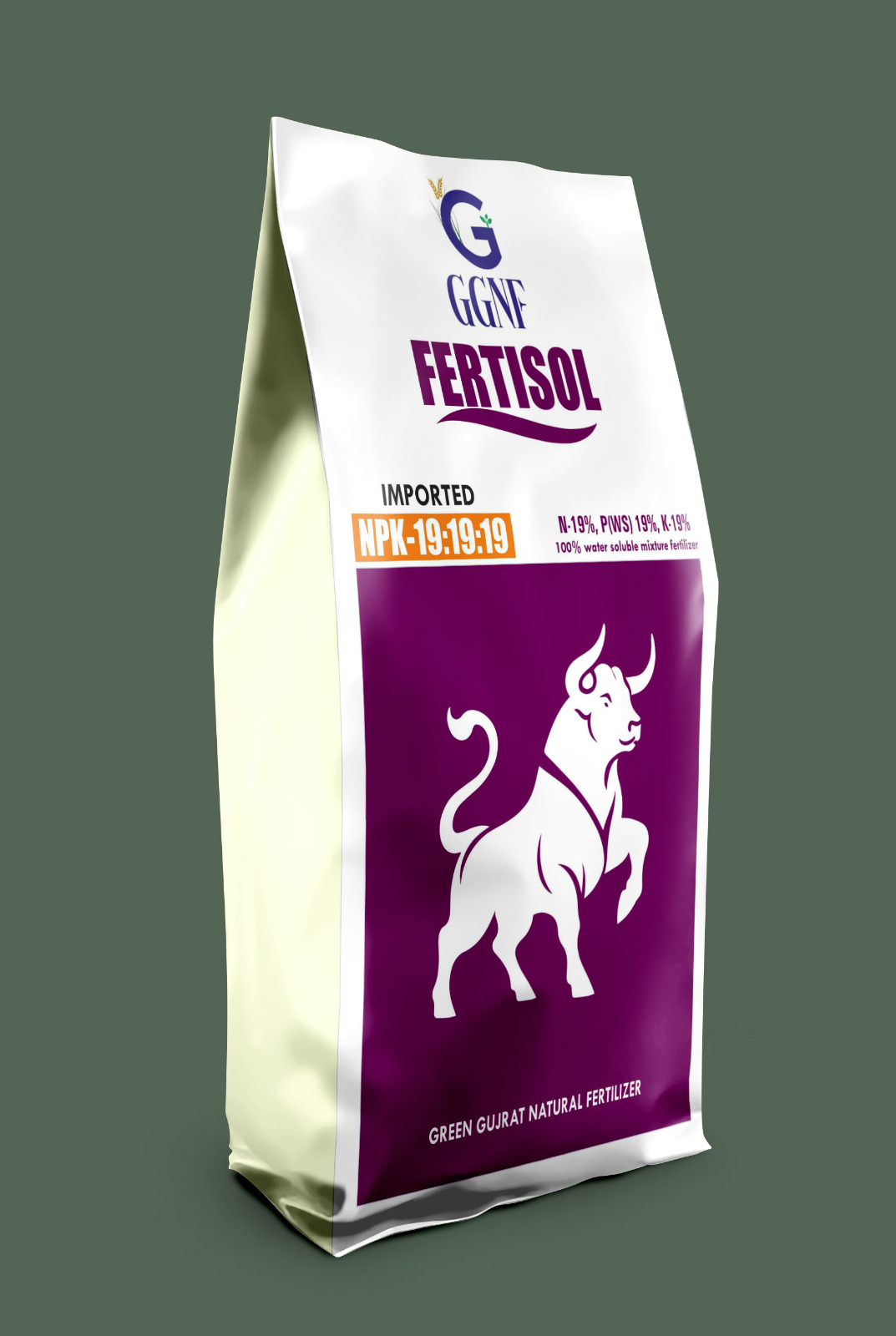
- Fertigation (if drip available): Fertisol NPK 19:19:19 at 3 kg/acre weekly for 6 weeks
- Foliar Zn-EDTA: 0.5 g/L if leaf yellowing appears
Grand growth (3–7 months) — the critical window
- Urea: 80 kg total, split — 40 kg at 120 days, 40 kg at 150 days
- Muriate of potash: 100 kg split — 50 kg at 120 days, 50 kg at 180 days
- Magnesium sulphate: 25 kg at 150 days (prevents inter-veinal yellowing)
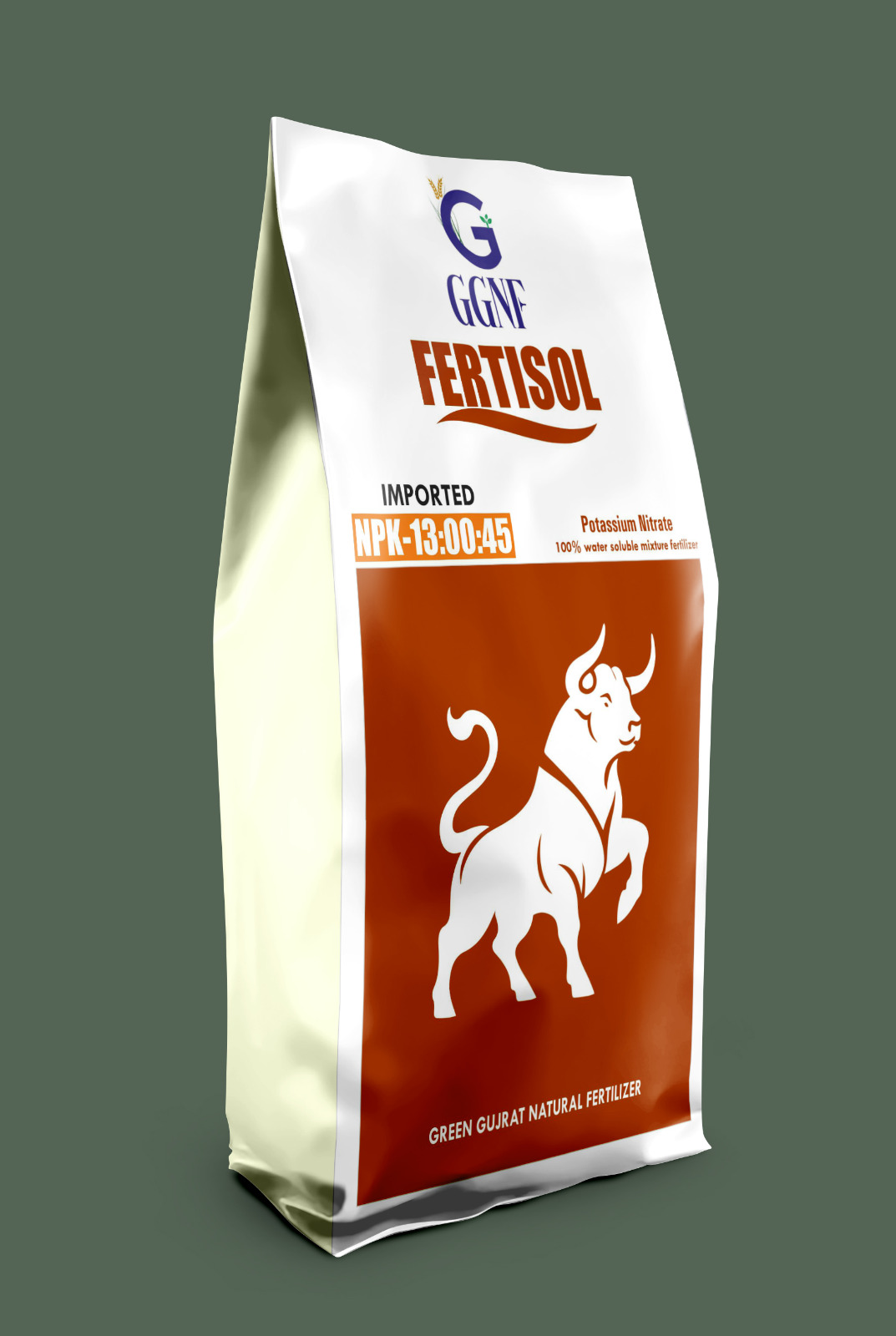
- Fortnightly fertigation: 19:19:19 at 4 kg/acre, alternated with 13:00:45 from 6th month
- Foliar 19:19:19 + Zn + B at 5 g + 0.5 g + 0.2 g per L if rapid stalk elongation is needed
Maturity (8–11 months)
- Stop nitrogen by 8 months — late N delays maturity and drops sugar recovery
- Fertigate 00:00:50 (sulphate of potash) at 3 kg/acre weekly for 4 weeks before harvest
- Foliar potassium nitrate (13:00:45) at 5 g/L improves sucrose buildup
- Boron foliar (Solubor) at 1 g/L two months before harvest — prevents pith and dead heart
Ratoon management
A well-fed first ratoon can match the planted crop. The mistake most farmers make is treating ratoon as a free harvest and skipping the base dose.
- Within 15 days of harvest: trash mulch in alternate rows, apply 50 kg urea + 50 kg MOP to break dormancy
- Inter-cultivate and earth-up at 30 days
- Then follow the full schedule above, but reduce P by 30% (residual P is sufficient)
- Phosphogypsum should be re-applied at 200 kg/acre — sulphur depletes faster in ratoon
Visual deficiency cues
| Symptom | Likely deficiency | Quick fix |
|---|---|---|
| Older leaves yellow from tip inward | Nitrogen | Urea 1% foliar + soil top-dress |
| Purple/red coloration on undersides | Phosphorus | DAP side-dress or foliar 13:40:13 |
| Yellow margins on older leaves, scorched tips | Potassium | MOP top-dress + foliar 13:00:45 |
| Inter-veinal yellow on middle leaves | Magnesium | MgSO₄ 1% foliar |
| White streaking on young leaves | Zinc | Zn-EDTA 0.5 g/L foliar |
| Distorted whorl, dead heart | Boron | Solubor 1 g/L foliar |
| Yellow young leaves, green veins | Iron / Manganese | Fe-DTPA or Mn-EDTA 0.5 g/L foliar |
The water-soluble grades that drive the fertigation programme:
Five mistakes to avoid
- All nitrogen in one shot. Splits matter — sugarcane uptake is gradual.
- Ignoring sulphur. Modern high-yield cane needs 60–80 kg S per acre, far more than what urea + DAP supply.
- Late nitrogen. N after 8 months keeps the crop green but drops sugar recovery.
- Skipping micronutrients in ratoon. Zinc and boron deplete fastest under continuous cropping.
- Broadcasting on dry soil. Always apply urea after irrigation or before rain — dry-soil application loses 30–40% to volatilization.
Bottom line
The base dose alone gives you 50–60 tonnes per acre. The grand-growth fertigation programme is what takes you to 80–100+ tonnes with good sugar recovery. Spend on splits and chelated micros during months 3–7 — that is where the yield is hiding.