
Cotton · Kharif (June–November) · 150–180 days
Cotton Fertilizer Schedule — Boll-by-Boll Nutrition Plan
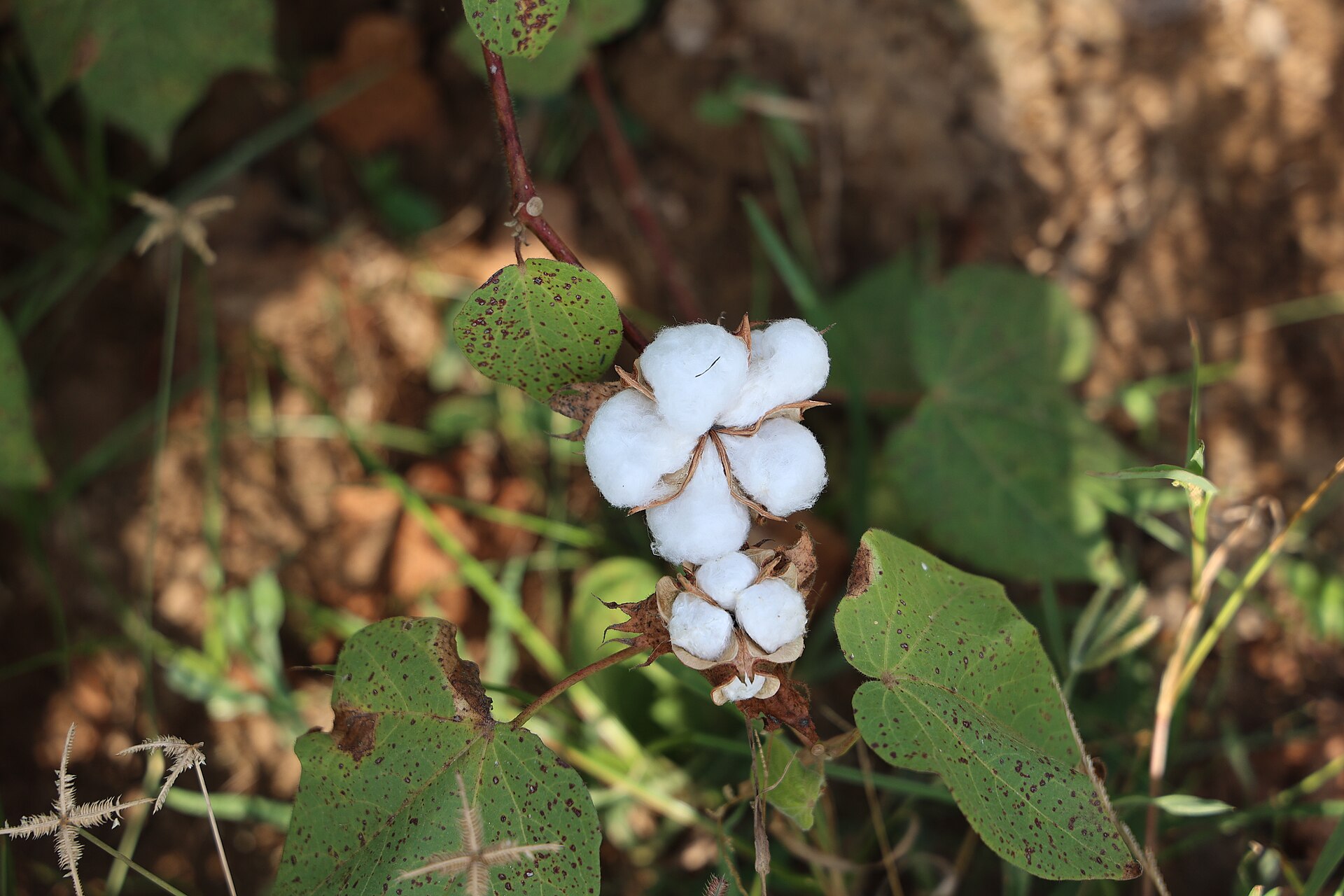
Cotton drops bolls when it runs short of potassium or boron at flowering. Most "low-yield" cotton fields are not pest victims — they are starvation victims at flowering.
Why cotton fertilization is different
Cotton is an indeterminate crop — it flowers and forms bolls continuously over 60–80 days, not in one synchronised window. This means nutrient demand is sustained, not peaked. A single late top-dress of urea will not save a flowering crop that ran out of potassium two weeks earlier.
A high-yielding Bt cotton crop targeting 12–15 quintals per acre removes 120 kg N, 50 kg P₂O₅, 100 kg K₂O, 20 kg S and notable amounts of zinc, boron and magnesium.
Growth stages and nutrient priority
| Stage | Days | Key process | Priority nutrients |
|---|---|---|---|
| Germination/seedling | 0–25 | Establishment, taproot | P, Zn |
| Vegetative | 25–50 | Square formation begins | N, K, B |
| Flowering | 50–95 | Continuous boll set | K, B, S — critical window |
| Boll development | 95–130 | Fibre formation | K, Mg, Ca |
| Maturation | 130–170 | Boll opening | Taper N, support K |
Recommended schedule per acre — Bt cotton, irrigated
Base dose (at sowing or transplanting)
- FYM: 3–4 tonnes (apply 15 days before sowing)
- DAP: 50 kg + SSP: 100 kg (P + S + Ca)
- MOP: 30 kg (early K)
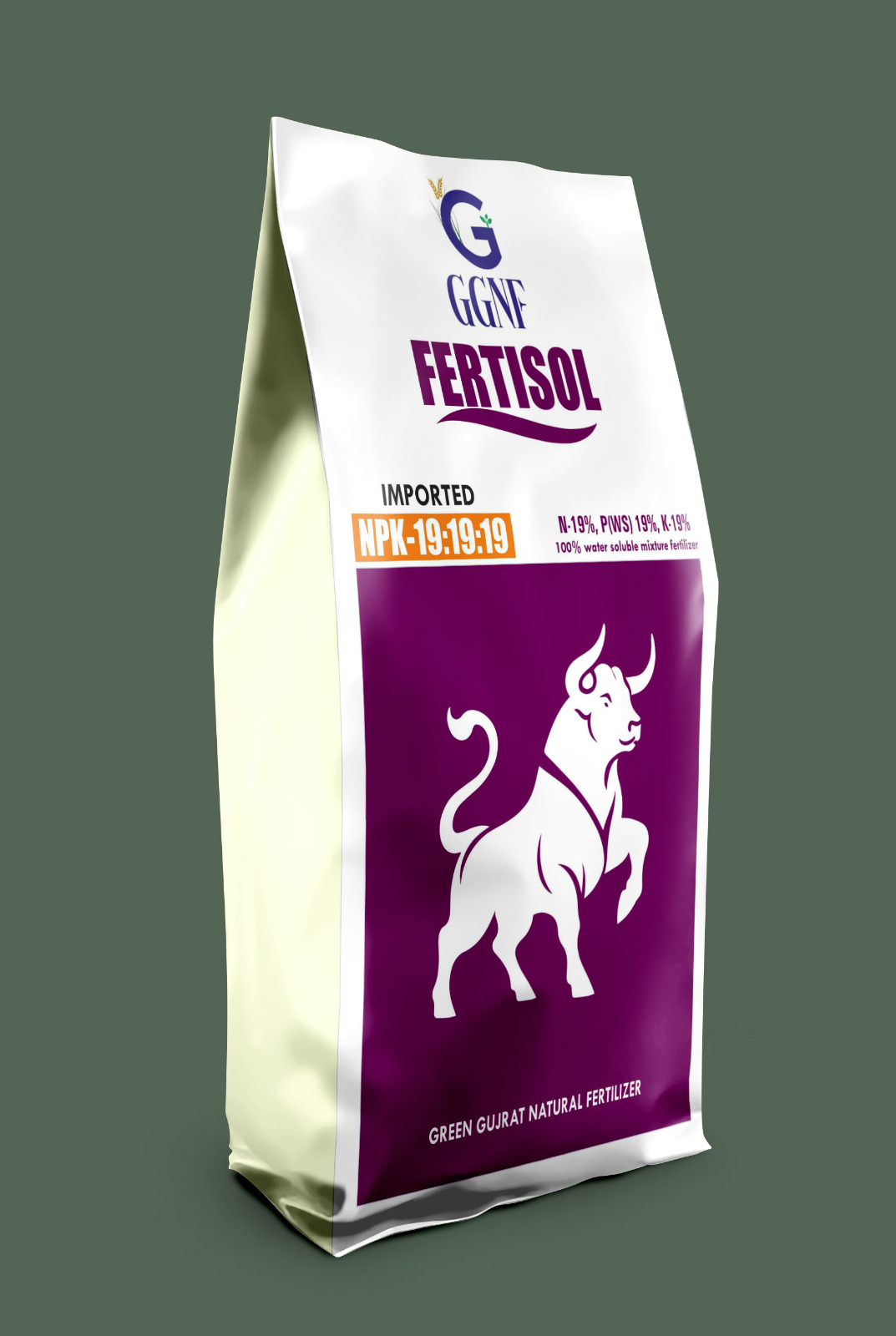
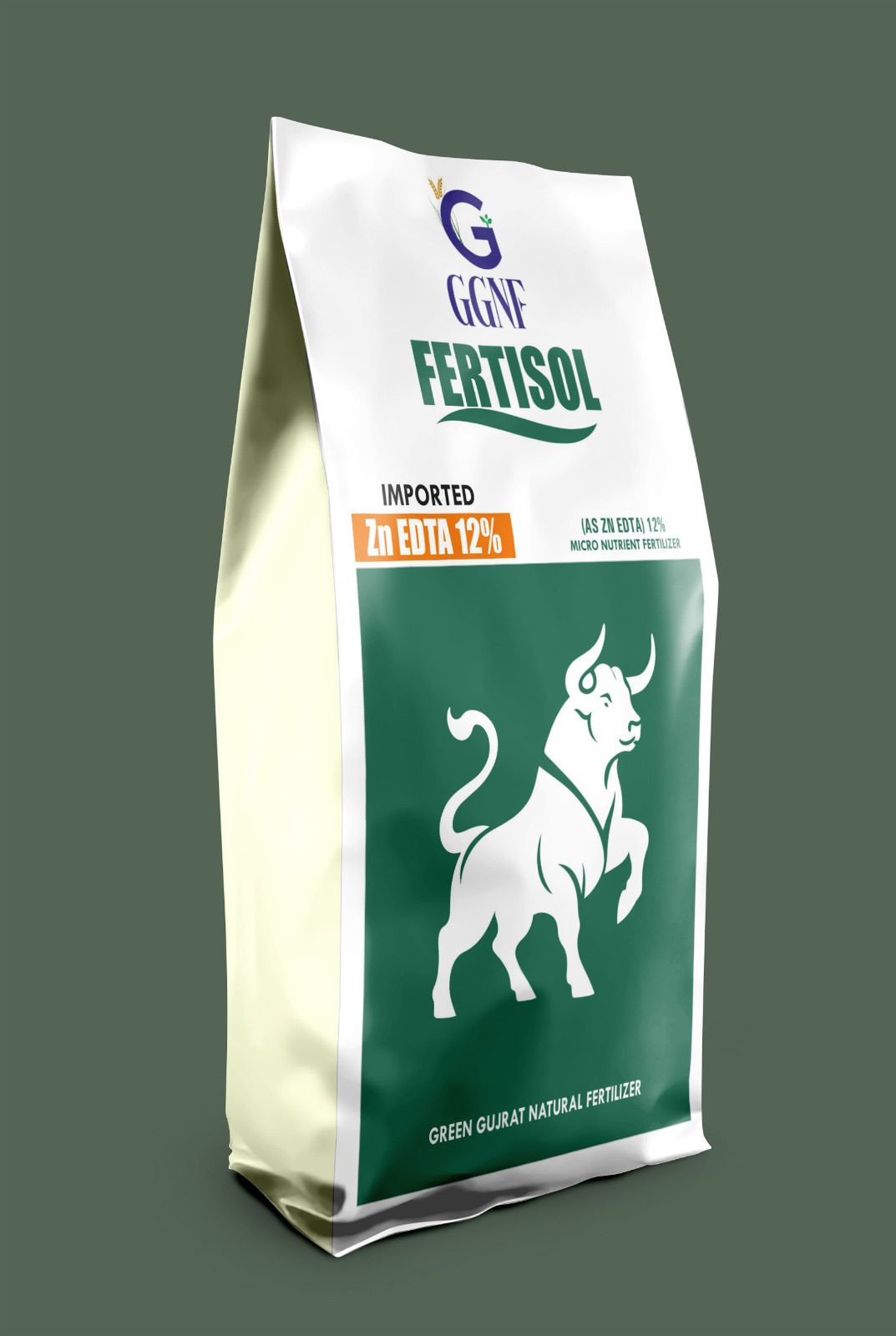
- Zinc sulphate: 10 kg or Zn-EDTA: 1 kg (one application)
- Phosphogypsum: 200 kg (especially in saline patches)
- Urea: 25 kg (starter N — full vegetative dose comes later)
Vegetative phase (25–50 days)
- Urea: 40 kg at 30 days as side-dress
- Foliar 19:19:19 at 5 g/L at 35 and 45 days
- Foliar boron (Solubor) at 1 g/L at 40 days — primes square formation
Flowering and boll formation (50–95 days) — the make-or-break window
- Urea: 30 kg at 55 days, 25 kg at 75 days (avoid late N spikes)
- MOP: 50 kg at 60 days as side-dress
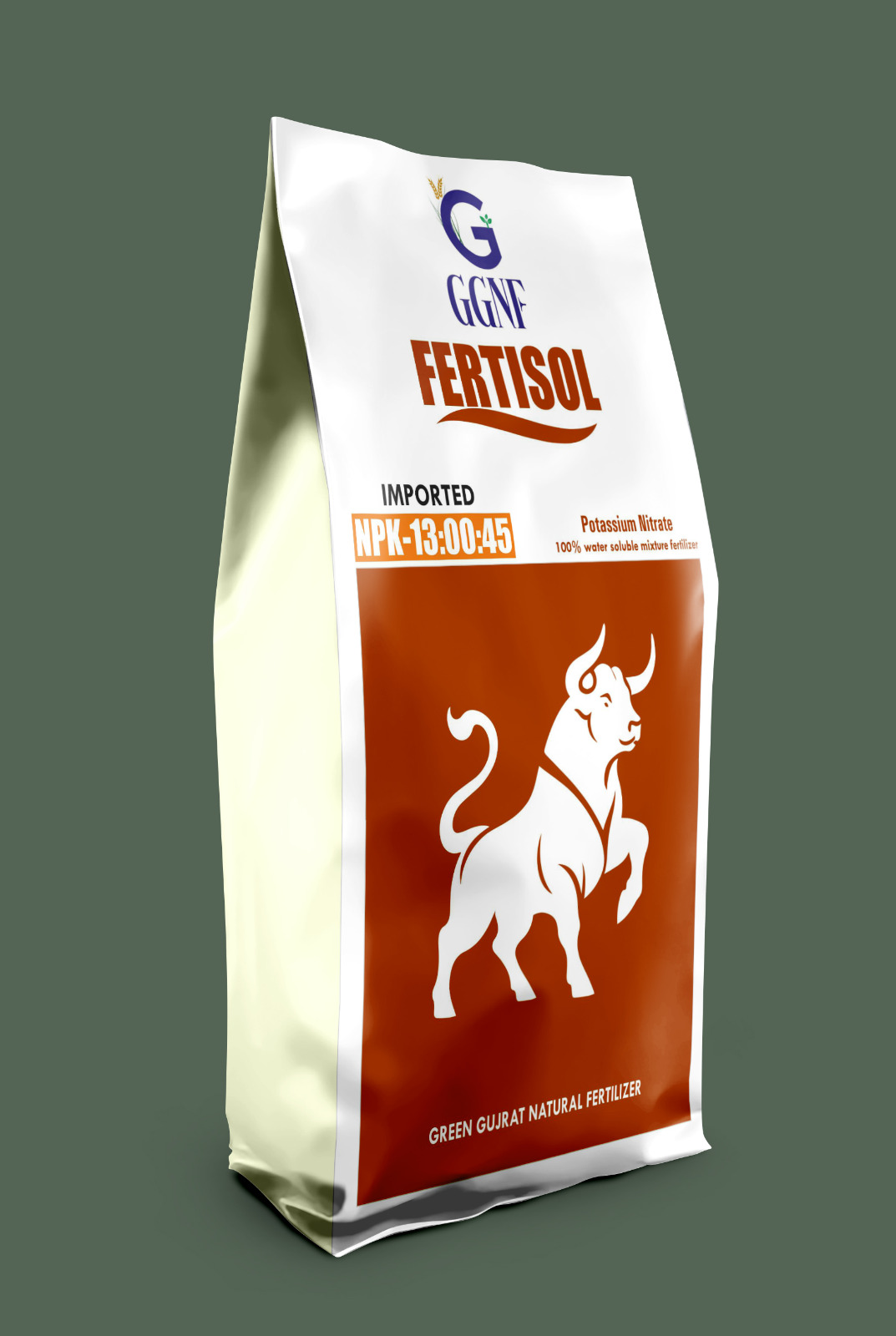
- Fertigation (where available): 13:00:45 at 3 kg/acre weekly from 55 to 90 days
- Foliar 13:00:45 at 5 g/L every 10–15 days during peak flowering
- Foliar boron (Solubor) at 1 g/L at 60 and 75 days — boron-deficient plants drop 30–50% of bolls
- Magnesium sulphate foliar at 1% if inter-veinal yellowing appears
Boll development and maturation (95–170 days)
- Stop nitrogen by 100 days
- MOP: 30 kg final top-dress at 100 days (boll weight comes from K)
- Fertigate 13:00:45 at 3 kg/acre weekly to 130 days
- Foliar 00:52:34 at 5 g/L at 110 and 125 days — boosts boll opening, lint quality
- Calcium nitrate foliar at 2 g/L every 15 days — improves fibre strength
Pest-stressed crop nutrition
Cotton under sucking-pest pressure (jassid, thrips, whitefly) cannot uptake nutrients efficiently — the leaf surface is compromised. After any insecticide spray, follow up within 24–48 hours with a foliar of 19:19:19 + Zn + B to compensate for the photosynthetic loss.
Reading the plant
| Symptom | Likely cause | Action |
|---|---|---|
| Pale yellow lower leaves | Nitrogen | Urea 2% foliar + side-dress |
| Reddish-bronze leaves | Phosphorus or potassium | Foliar 13:40:13 or 13:00:45 |
| Yellow leaf margins, scorched tips | Potassium | MOP + foliar 00:00:50 |
| Cracked stems, hollow squares | Boron | Solubor 1 g/L foliar, immediate |
| White streaks on young leaves | Zinc | Zn-EDTA 0.5 g/L foliar |
| Square / boll shedding (no insect damage) | B + K + Ca shortage | Boron + 13:00:45 + Ca foliar |
The fertigation grades that carry a cotton crop through flowering and boll fill:
Bottom line
Most cotton yield is decided between days 50 and 100. Front-load phosphorus and zinc in the base. Use the vegetative window to build the canopy. Then go heavy on potassium and boron from flowering onwards. A boron + 13:00:45 foliar programme during peak bloom is the single highest-ROI intervention in cotton nutrition.